


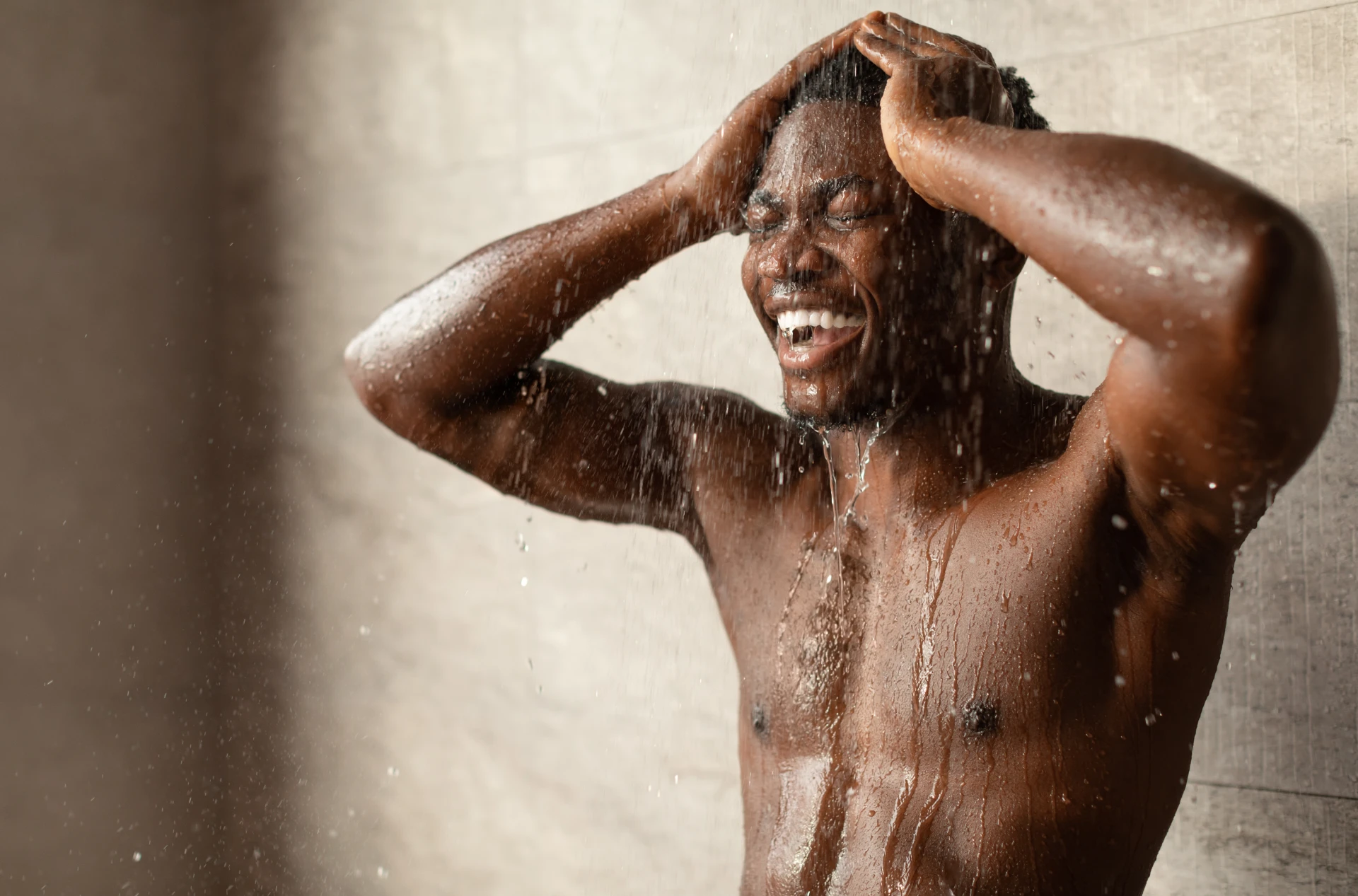
How often should men wash their hair? The real answer (not the internet one)
“2–3 times a week” is a decent guideline, but it’s not a rule. In our barbershops we see this every day: your scalp type, styling routine, and lifestyle decide the schedule—not a generic chart.
Book now“2–3 times a week” is a decent guideline, but it’s not a rule. In our barbershops we see this every day: your scalp type, styling routine, and lifestyle decide the schedule—not a generic chart.
Book nowWhy there’s no one-size-fits-all hair-washing routine
One of the most common chair questions is: “How often should I wash my hair—daily or skip days?” The internet swings between extremes. We don’t fully agree with either camp. In Lumberjack Barberhouse we see this every day: two guys copy the same routine and one looks fresh while the other ends up itchy, greasy, or flaky. The difference is usually the scalp.
Let’s keep the factual base straight. Washing your hair matters because it removes dirt, sweat, excess oil, and product build-up. Leave that build-up long enough and you get greasy roots, dull hair, irritation, itching, and—sometimes—scalp inflammation that can mess with healthy growth. That’s the theory, and it’s true. The practical part: most damage comes from how you wash and what you wash with, not from the concept of washing itself.
Your scalp produces sebum, a natural oil that protects and moisturises. Wash too frequently with harsh products and you strip that protection. The result can be dryness, frizz, and irritation. And here’s where real life gets messy: in some men, aggressive daily washing makes the scalp rebound and produce more oil. So the advice “just wash more to fix oiliness” sounds logical, but in real life it can create a cycle.
On the flip side, not washing enough isn’t some rugged badge of honour. Dirt, oil and styling residues can clog follicles and trigger discomfort, itch, and dandruff-like flaking. We regularly see clients who say they have “dry scalp,” but when we look closely it’s actually heavy build-up—sometimes even leftover shampoo—creating that tight, itchy feeling.
So yes, balance is the word. Not “wash vs don’t wash,” but “how often, with what, and with what technique.” The source article gives a solid starting point: most men do well washing 2–3 times per week. We agree—as a starting point. Not as a universal law.
Our barbershop rule is simple: judge the scalp response, not the calendar. If your roots look oily and clump 24 hours after washing, you may need more frequent cleansing or a different shampoo. If your hair feels squeaky, rough, and your scalp feels tight after washing, you’re overdoing frequency, heat, or shampoo strength.
And the big factor most guys ignore: styling. If you use pomade, clay, paste, powder, or hairspray regularly, you’re adding layers. Even good products still need proper removal. Your wash routine should match your styling routine—otherwise you’re just stacking problems on your scalp.

The article is right: hair type and lifestyle change everything. We’ll add what we’ve learned from experience: (1) men often confuse oily hair with oily scalp, (2) hot water and aggressive detergents can wreck any “perfect” schedule, and (3) poor rinsing is an underrated disaster.
Oily hair/scalp: washing every other day—or 3–4 times per week—often makes sense. But if you wash daily and still look oily by evening, it’s not automatically proof you need even more washing. In practice, it can mean you’re stripping your scalp (hot shower + strong shampoo), and it’s compensating with more oil. Dial down heat, go gentler, and focus on scalp—not scrubbing lengths.
Dry hair: 1–2 washes per week is usually enough. The real-world mistake we see: guys with dryness try to “clean harder” because they hate texture. That just amplifies frizz and irritation. With dryness, gentle cleansing and correct conditioning matters more than chasing a super-fresh feel.
Hair type, activity level, and the stuff guides rarely explain properly
Curly hair: curls tend to be drier because natural oils travel down the hair shaft less efficiently. 1–2 washes per week is a common sweet spot. But if you’re using curl creams and heavier stylers, you still need consistent cleansing—otherwise curls go flat, heavy, and dull. This works in theory, but in real life product choice often decides your wash frequency more than curl pattern does.
Fine hair: it can look greasy faster because there’s less volume to hide shine at the roots. Many men with fine hair do better washing more often (every other day is common). In our barbershops we see this daily: the scalp can be healthy, but the visuals trick you. The fix isn’t always more shampoo—it’s lighter styling and gentler products.
Thick hair: thick hair often tolerates longer gaps (2–3 times per week). But there’s a catch: thick hair is easier to under-wash. Men spread shampoo through the hair but don’t actually cleanse the scalp. Then they get itchy roots and blame “bad shampoo.” Most of the time it’s technique and rinsing—especially rinsing.
Activity level: if you train hard, sweat a lot, or work in a physical environment, you may need to wash more frequently—even daily. We don’t demonise daily washing if it’s done smart: lukewarm water, gentle shampoo, fingertip massage (not nails), and thorough rinsing. The source points out sulphate-free, gentler options for frequent washers and lowering water temperature—those two changes alone can transform scalp comfort.
The best routine is the one your scalp can live with
Here’s the practical approach: start at 2–3 washes per week and adjust. Oily roots the next day? Move toward every-other-day washing. Tight, dry, frizzy, irritated? Pull back to 1–2 washes and reassess heat, shampoo strength, and your scrubbing habits.
A barbershop truth: “clean” doesn’t mean “squeaky.” Good washing means a calm scalp with no residue. Wet hair with lukewarm water, use a small amount of shampoo, lather it first in your hands, then work it into the scalp for about a minute. Rinse like you mean it. Conditioner goes mid-lengths to ends, not the scalp (when length allows).
If you’re worried about over-washing but want to feel fresh: sometimes a water rinse is enough, sometimes a conditioner-only day works, and sometimes dry shampoo can save you between washes. But we’ll be blunt—dry shampoo is a tool, not a lifestyle, especially if you’re stacking styling products day after day.
We believe routines should be built on reality, not slogans. In our barbershops we look at scalp condition, hair density, your styling habits, and your week’s rhythm—then set a wash plan that actually holds up outside a blog post. That’s how you keep hair looking sharp without beating up your scalp.
Barbershop Gallery for the article

Rinse & Tone Control
After processing, we rinse and check the result: the tone must stay soft, natural, and even. The goal is to reduce greys while keeping beard texture and a “real” look.
- Soft result — never looks dyed
- Natural tone in any lighting
- Enhances beard shape and contour
Control: Natural Finish
After processing, we check for evenness and softness. The goal is that people notice you look fresher — not that you did a procedure. It subtly enhances your face and confidence.
- Soft tone — never looks “dyed”
- Blends with your natural color
- Best paired with a fresh haircut

Styling: Shape & Direction
We create shape and direction. Styling highlights the haircut, adds volume or neatness depending on your style, occasion, and desired result.
- Enhances the haircut shape
- Matte or more defined finish available
- Great for daily wear or special occasions

Finish: Neat & Lasting
Final check and light fixation ensure the style lasts and the edges stay clean throughout the day. We also share easy tips to maintain the look.
- Light hold without heaviness
- Neat look all day long
- Minimal home maintenance

Most frequent questions
-
What should I do after head care to keep the effect longer?
After the treatment it's best not to overload your hair with heavy styling products straight away and to avoid tight headwear so the scalp can “breathe”. At home, just wash with a gentle shampoo, avoid harsh products and occasionally do a light self-massage while washing – this will help the effect of professional care last noticeably longer.
-
How does the head care with massage procedure work step by step?
First the barber assesses the condition of your scalp and hair and chooses shampoo and care products for your type. Then comes a thorough wash, sometimes with gentle exfoliation, followed by a tonic or mask while the barber massages with fingers and fingertips. Finally the head is rinsed (if needed), gently dried and given a basic style.
-
How long does styling and outline take and do I need to wash my hair before?
Styling and outline usually takes 15–25 minutes, depending on hair length and the current shape. You don't have to wash your hair right before – if needed, the barber will wash it in the barbershop so the styling sits perfectly and the outline is sharp.
-
How often should I refresh a clipper cut to keep it neat?
Because the hair grows out evenly all over the head, clipper cuts are usually refreshed more often – every 2–4 weeks. If you prefer a very short length, it's better to come closer to the two-week mark to keep that fresh haircut feeling every day.
-
When do I need a scalp detox and how often should I do it?
Indications: dryness, itch, dandruff, product buildup or excess oil. Ideal cadence: every 2–4 weeks—deep cleanse + circulation-boosting massage + targeted serums. For sensitivity, avoid harsh surfactants.
-
Why scalp care for men?
Deep pore/sebum cleanse, massage to boost micro-circulation, follicle-nourishing serums. Indications: dryness, itch, dandruff, shedding, product build-up. Result — lightness, fresh volume, calm scalp.
Read also


Don’t miss new materials about barbering
Subscribe and get useful tips.

Book a haircut right now
Treat yourself to an hour of true relaxation and a stylish look